Impact on Flow and Pumping Efficiency
When fats, oils, and grease (FOG) enter a wet well, they adhere to walls and form thick, solid caps. Just a ½ inch layer of grease in an 8-inch pipe can reduce flow capacity by 25 percent, driving up pump run times and energy costs proportionally.
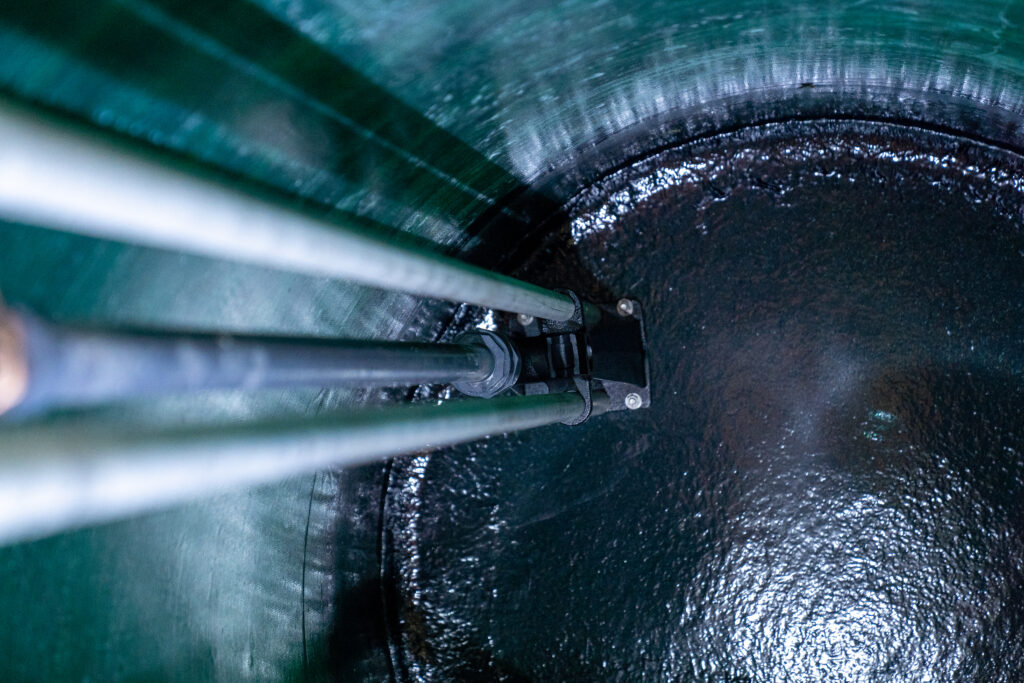
Grease accumulation is responsible for roughly 30 percent of sewage backups in lift stations. As the buildup grows, float switches and sensors become encrusted, fail to actuate, and can allow uncontrolled overflows—often resulting in floor damage, equipment repair bills, and emergency call-outs that easily climb into the thousands of dollars.
Corrosion and Odor Generation
Underneath a grease cap, anaerobic pockets flourish. Sulfate-reducing bacteria convert sulfates into hydrogen sulfide gas, which not only smells like rotten eggs but also forms sulfuric acid on contact with concrete and metal surfaces. Over time, this accelerates structural corrosion of wet wells, pipes, and pumps—compounding maintenance costs and safety risks for staff who must enter confined spaces to repair damaged components.
Public Health and Environmental Risks
Grease-induced blockages can trigger Sanitary Sewer Overflows (SSOs). When untreated sewage exits the system, it carries pathogens (typhoid, cholera, dysentery, roundworm, tapeworm, and more) into waterways and onto land, posing acute public-health threats and wildlife poisoning. Recreational beaches, fisheries, and drinking-water sources suffer contamination events that depress tourism revenue and strain local economies every year.
Strategies to Prevent and Mitigate Grease Buildup
Source Control at the Kitchen
- Install and maintain properly sized grease traps or interceptors upstream of the sewer pump station.
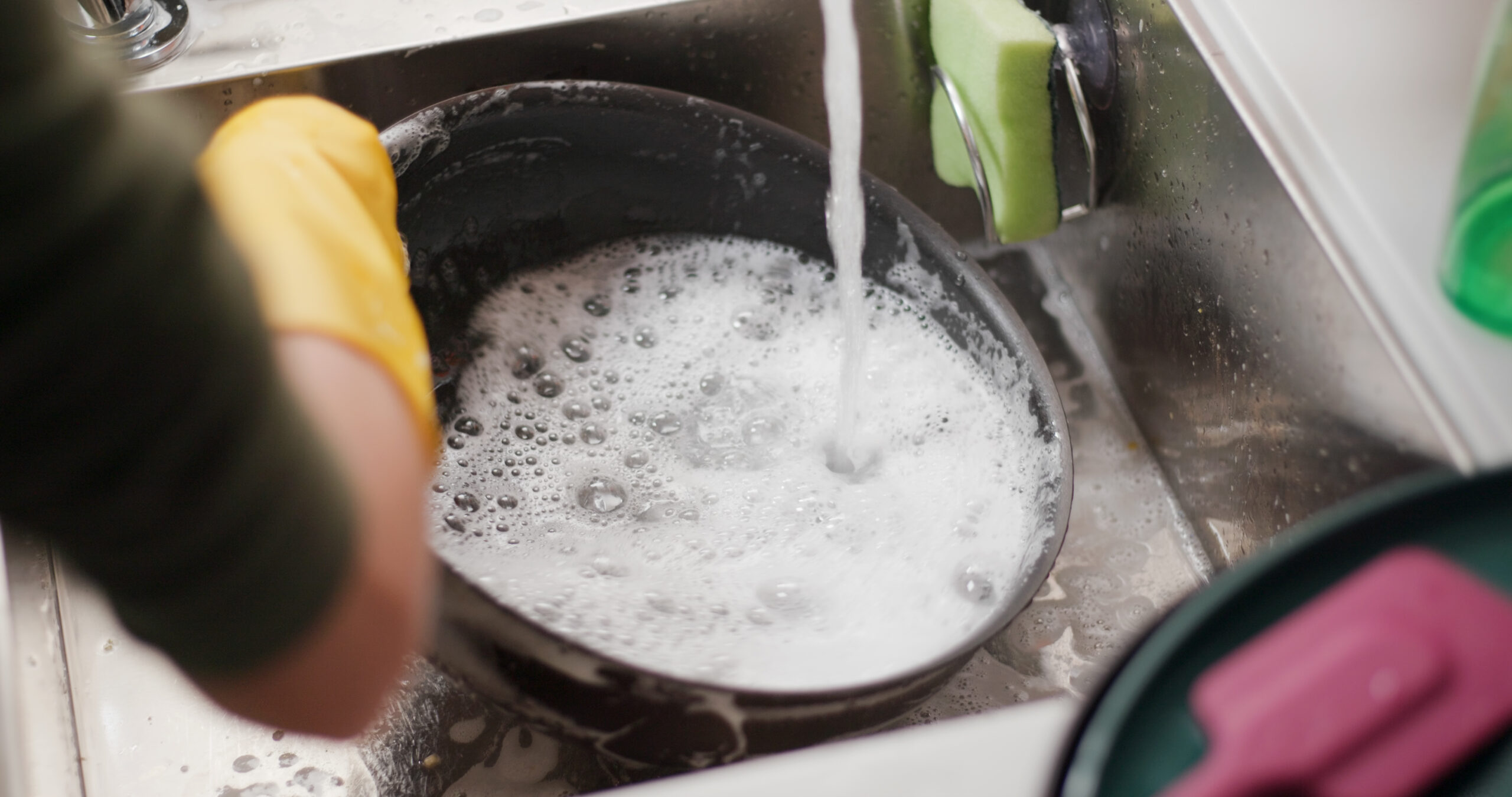
- Wipe down greasy plates, pots, and pans with paper towels or absorbent materials before washing.
- Collect cooled cooking oil and fats in dedicated containers and dispose of them as solid waste or recycle them at biofuel centers.
- Enforce employee training on “what not to pour” down drains—limiting sink inputs to water and dissolved detergents.
Mechanical and Manual Cleaning
- Schedule routine wet-well clean-outs using high-pressure water jets and non-solvent detergents to physically remove hardened grease.
- Avoid solvent-based degreasers such as d-limonene or caustic soda sprays that can dissolve grease temporarily but send a concentrated slug downstream—upsetting biological treatment plants and re-causing blockages when the melted fats re-solidify.
- Coordinate cleaning events with your downstream treatment operator to prepare for temporary spikes in FOG and biochemical oxygen demand.
Chemical and Biological Treatments
Key biological products contain bacteria that fragment insoluble fats into short-chain fatty acids. This pre-treatment prevents solid caps from forming and lightens the burden on both pumps and downstream reactors.
Additional Insights
Beyond chemical and microbial dosing, consider:
- Real-time monitoring of wet-well grease thickness with ultrasonic sensors, triggering automated alerts when caps exceed safe thresholds.
- Integrated FOG management programs that tie restaurant inspections, grease-trap maintenance logs, and sewer-station performance data into a centralized dashboard.
- Periodic pilot studies of novel enzymatic or nano-catalyst treatments that promise accelerated grease digestion without environmental trade-offs.
By coupling rigorous source-control practices with targeted cleaning and innovative treatment technologies, municipalities and private operators can safeguard pump stations against costly, hazardous grease buildups—ensuring reliable wastewater conveyance and protecting public health.
Give Triple “D” Pump Company a call at 254-772-7623, or fill out our contact form if you have questions about replacement pumps that have been damaged due to FOG.