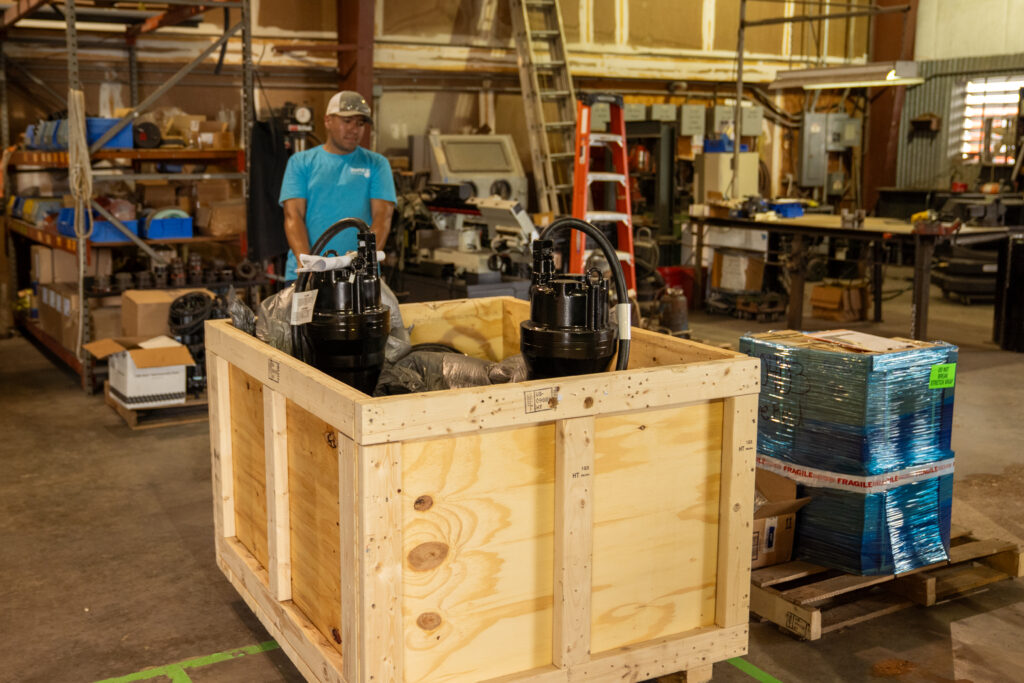
Proactive maintenance is key to extending the life of submersible pumps and ensuring they operate at peak efficiency. A structured preventative maintenance program helps catch issues early, preventing costly unplanned downtime. The following checklist outlines routine inspection tasks, best practices, and recommended intervals for maintaining submersible pumps in industrial, commercial, and municipal applications.
Maintenance frequency varies based on service conditions—a pump running 24/7 in harsh environments requires more frequent checks than one used intermittently.
Daily / Weekly Routine Inspections
Establish a habit of visually and audibly checking the pump during regular operations.
- Listen for unusual noises (grinding, rattling, humming) → could indicate impeller imbalance, bearing wear, or clogging.
- Check for excessive vibration → may signal misalignment or mechanical issues.
- Inspect for leaks around pump base or junction box → fluid leaking from the motor housing is a critical failure sign.
- Ensure pump remains fully submerged to prevent overheating and failure.
- Test float switches and level controls for proper function.
- Monitor amperage draw with an ammeter → abnormal readings may indicate overload, clogging, or mechanical failure.
Monthly Maintenance Tasks
At least once per month (or more often in harsh conditions):
- Check impeller and inlet for debris, string, or mineral buildup.
- Inspect wear rings and volute for abrasion or cavitation damage.
- Evaluate seals: if the pump has an oil chamber, take an oil sample. Milky oil = water intrusion and seal failure.
- Examine gaskets and O-rings → replace if cracked, brittle, or flattened.
- Tighten all fasteners and electrical connections.
- Lubricate bearings (if applicable).
- Ensure cooling jacket (if equipped) is clear and properly filled.
Quarterly / Semi-Annual Maintenance
Every three to six months:
- Perform a motor insulation test with a megohmmeter.
- Rotate usage of standby pumps in duplex or triplex stations to prevent stagnation.
- Conduct vibration analysis to detect bearing wear or imbalance.
- Inspect protective devices (thermal sensors, seal leak detectors, circuit breakers).
- Record amperage, flow rates, and pump cycle frequency → compare to baselines for trend analysis.
Annual Overhaul (Planned Shutdown Maintenance)
At least once per year (during low-demand periods):
- Remove pump from service and disassemble.
- Inspect impeller, volute, shaft, bearings, and seals.
- Replace wear parts (bearings/seals often require annual replacement in critical applications).
- Clean rust, scale, and debris; repaint protective coatings if needed.
- Check shaft alignment and impeller balance.
- Conduct a post-maintenance performance test (flow, head, electrical readings).
- Document all work for long-term tracking.
Warning Signs to Watch For
Throughout inspections, monitor for:
- Increased vibration or unusual noise.
- Tripping breakers or blown fuses.
- Reduced flow or erratic performance.
- Visible corrosion or leaks.
- Signs of overheating.
Immediate service is required if these issues are found.
Conclusion
Implementing a preventative maintenance checklist ensures fewer breakdowns, reduced downtime, and extended pump life. By following a structured approach—from daily checks to annual overhauls—operators can keep pumps running at peak efficiency while minimizing long-term costs. Regular maintenance is always more affordable than emergency repairs, making it a smart investment for any operation.
After completing your preventative maintenance checklist for submersible pumps, have you noticed any parts that need replacing?
Triple “D” Pump Company can provide you with replacement pumps, and parts. Give us a call today at 254-772-7623 and let us help you get your system in top shape.