
Understanding Warranties on Lift Station Pumps

When investing in a lift station pump, performance and reliability are top priorities—but warranties are just as important. A pump warranty protects your investment, provides peace of mind, and helps reduce unexpected costs if issues arise. Understanding what lift station pump warranties cover—and what they don’t—can help owners, contractors, and municipalities make more informed decisions. […]
Why It’s a Good Idea to Keep Spare Parts On Hand
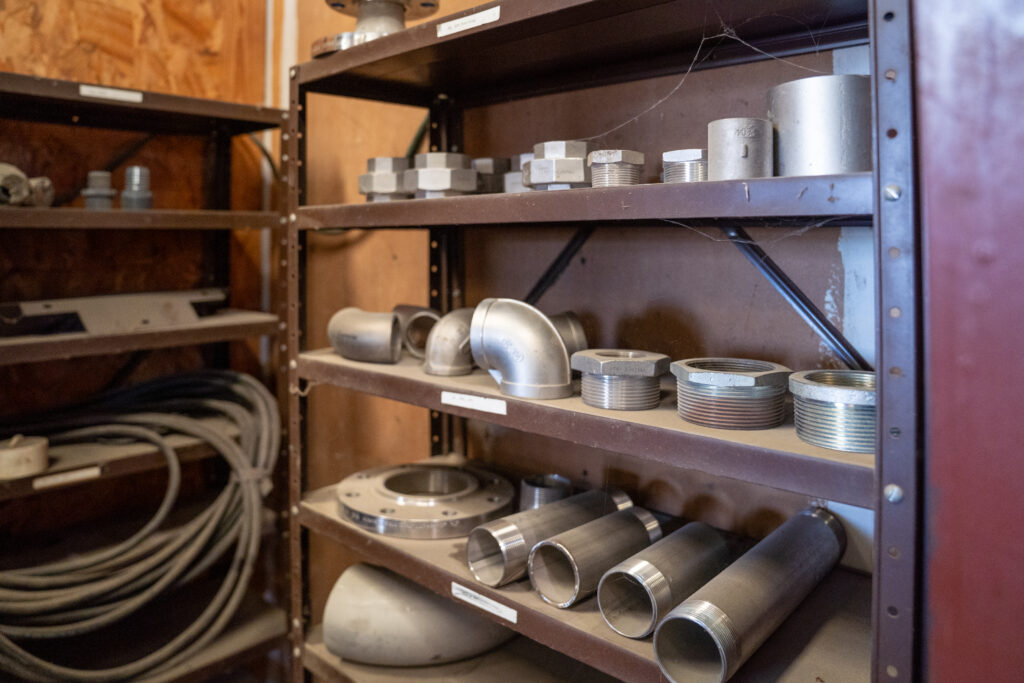
When it comes to running a wastewater lift station, reliability is everything. A single pump failure can bring operations to a halt, cause costly downtime, and even lead to environmental hazards. That’s why having critical spare parts — especially backup pumps — readily available is one of the smartest investments any facility can make. Minimize […]
Where Do Lift Stations Pump the Sewer?
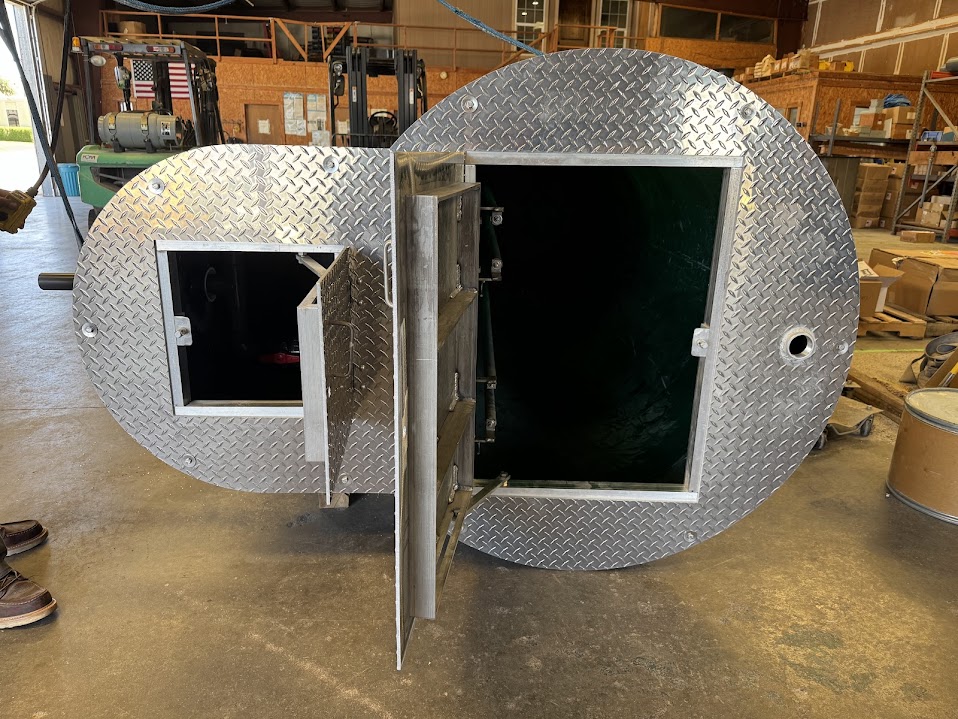
If you’ve ever wondered what happens after wastewater enters a lift station, you’re not alone. Lift stations are vital pieces of infrastructure that keep sewer systems functioning, but the path wastewater takes can vary depending on the application and location. Understanding where lift stations pump the sewer can help property owners, municipalities, and engineers appreciate […]
The Environmental Impact of a Failing Lift Station
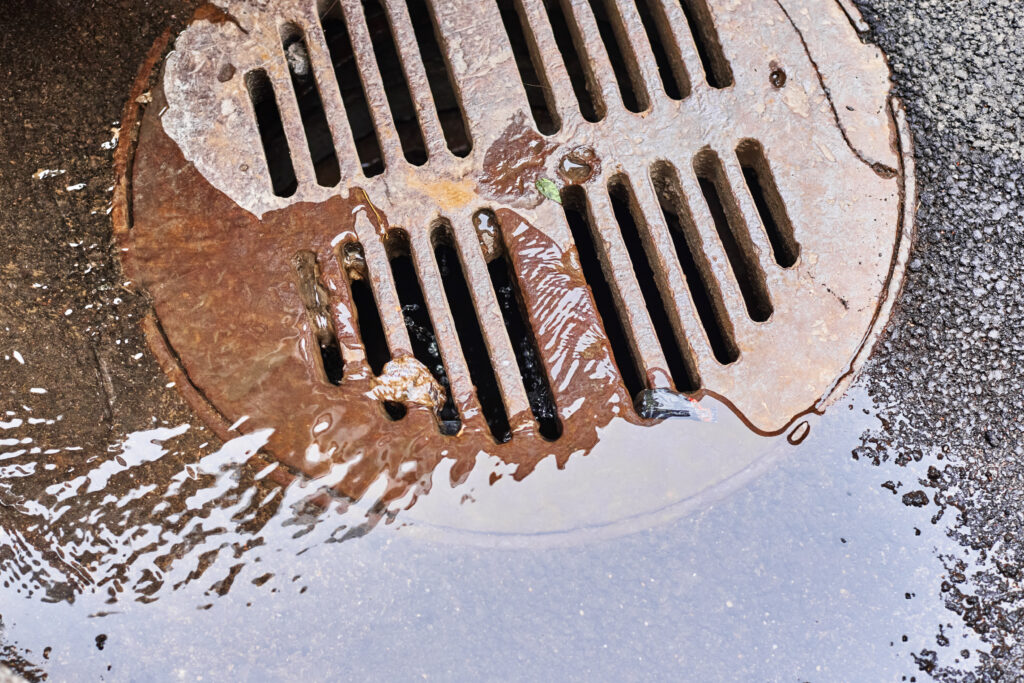
Lift stations play a critical role in wastewater management, quietly pumping sewage and stormwater to treatment plants where it can be processed safely. But when a lift station fails, the consequences extend far beyond clogged pipes or equipment downtime—it can create serious environmental hazards that affect water, soil, air, and even community health. How a […]
The Role of Check Valves in a Lift Station
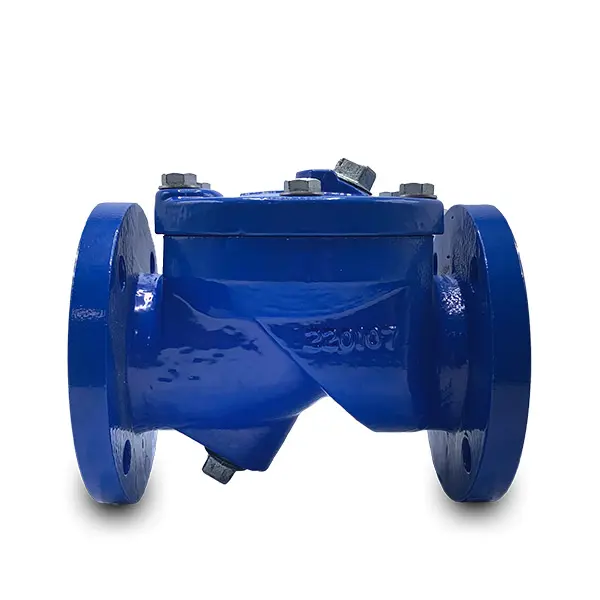
Lift stations are designed to move wastewater efficiently from lower to higher elevations. While pumps, floats, and guide rails are essential for operation, another small but critical component keeps everything working smoothly—the check valve. Without it, your lift station could experience backflow, added stress on pumps, and costly damage. What Is a Check Valve? A […]
The Difference Between Normally Open and Normally Closed Float Switches

Float switches are essential components in pump and lift station systems, providing automatic level control for liquids. They help prevent pumps from running dry, overflowing tanks, or cycling unnecessarily. When selecting a float switch, one of the most common questions is: what’s the difference between a “normally open” (NO) and a “normally closed” (NC) float […]
Guide Rails in Lift Stations: What They Are and Why They Matter
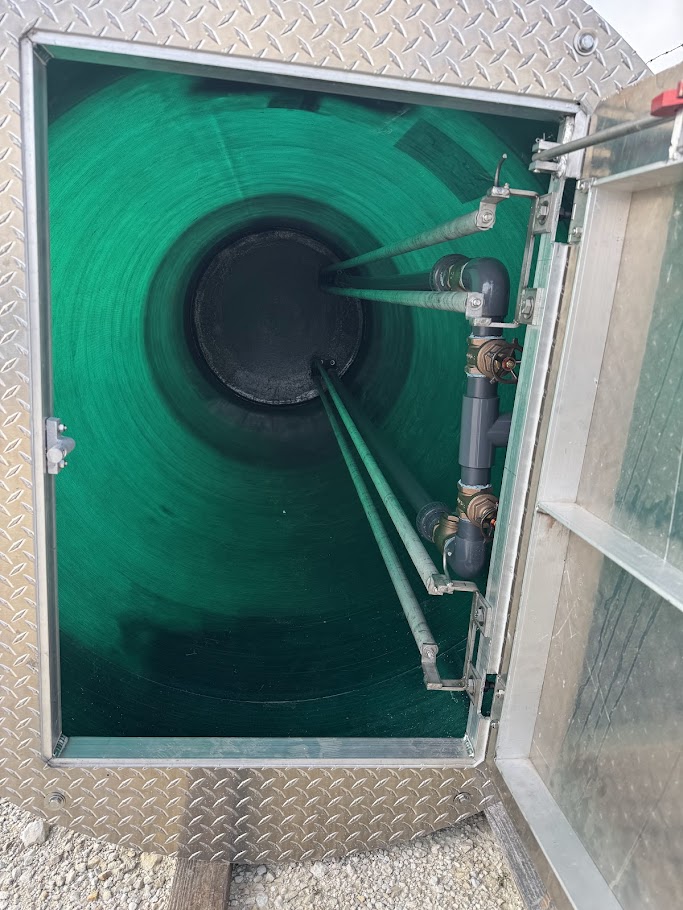
When it comes to keeping a lift station safe, reliable, and easy to maintain, one of the most important components is often overlooked: the guide rail system. While pumps, controls, and floats get most of the attention, guide rails quietly make servicing submersible pumps much easier and safer. What Are Guide Rails? Guide rails are […]
Understanding the Main Components of a Submersible Pump
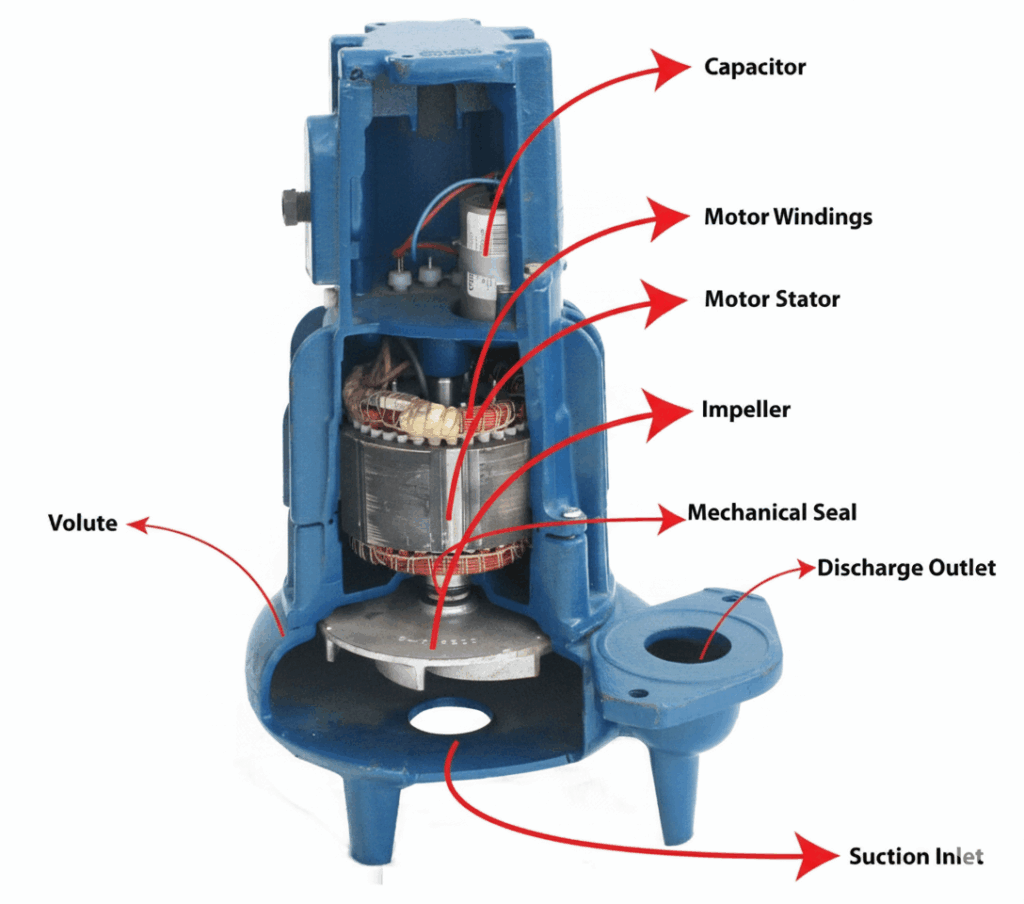
Submersible pumps are widely used in wastewater, industrial, agricultural, and municipal applications because they can operate while completely submerged in liquid. Their design eliminates priming issues, reduces noise, and often provides higher efficiency compared to other pump types. To properly install, maintain, or troubleshoot these pumps, it’s essential to understand their main components and the […]
Float Switch vs. Pump Switch: What’s the Difference?
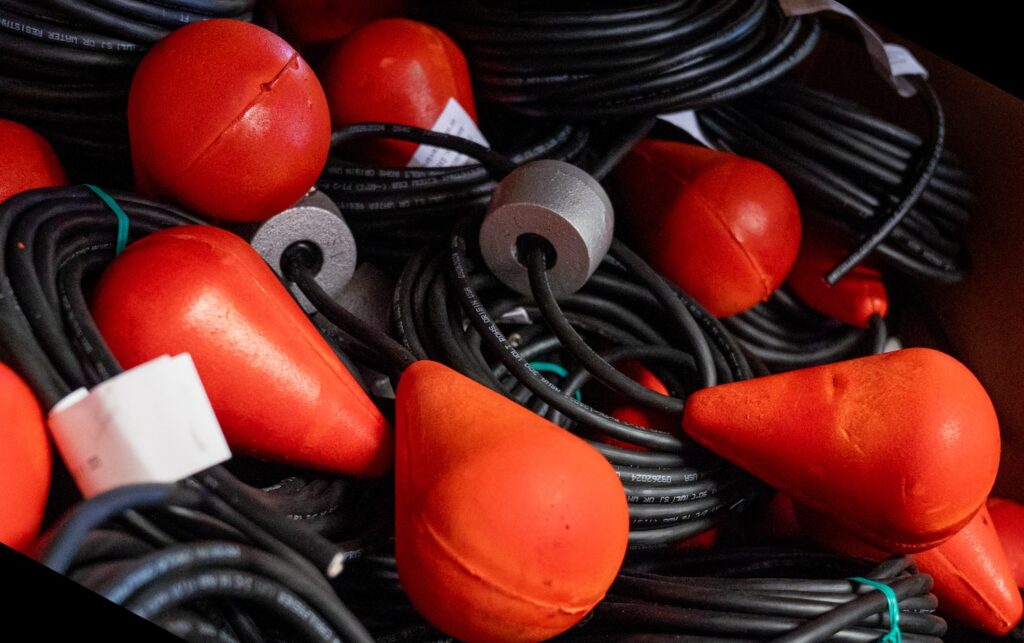
When it comes to keeping your sewer lift station running smoothly, the right switching system makes all the difference. Two of the most common terms you’ll hear are float switch and pump switch. While they may sound similar, they serve very different purposes—and knowing the difference can help you choose the right setup for your […]
Effects of Grease Buildup in Sewer Pump Stations
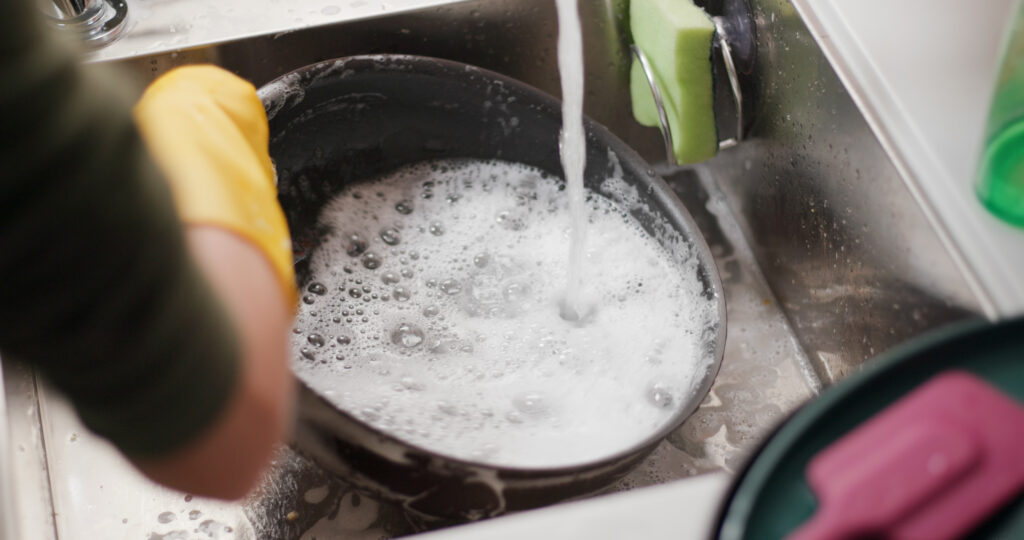
Impact on Flow and Pumping Efficiency When fats, oils, and grease (FOG) enter a wet well, they adhere to walls and form thick, solid caps. Just a ½ inch layer of grease in an 8-inch pipe can reduce flow capacity by 25 percent, driving up pump run times and energy costs proportionally. Grease accumulation is […]