When it comes to sewage lift stations, selecting the right submersible pump is one of the most important decisions you’ll make. Oversize the pump, and you risk short-cycling, wasted energy, and excessive wear. Undersize it, and you’ll face backups, downtime, and unhappy customers. The key is finding the sweet spot—a pump that’s properly sized for your flow and head requirements so it operates efficiently and reliably.
Here’s a step-by-step guide on how to size a submersible sewage pump for maximum efficiency.
1. Know Your Flow Requirements (GPM)
Flow is the amount of wastewater that needs to be pumped, usually measured in gallons per minute (GPM). This depends on the size of the facility, the number of users, and peak demand.
- Residential Example: A single home might require 20–50 GPM.
- Commercial Example: A large apartment complex or business could need 200+ GPM.
Knowing your design flow ensures the pump can handle both normal and peak conditions.
2. Calculate Your Total Dynamic Head (TDH)
Flow is only half the story. You also need to know how high—and how far—the pump must push the wastewater. This is called Total Dynamic Head (TDH), and it combines:
- Static Head: The vertical lift from the wet well to the discharge point.
- Friction Loss: Resistance in the force main (longer pipes, smaller diameters, and more fittings = higher friction).
- Other System Losses: Valves, elbows, and check valves add resistance.
Once you’ve added these up, you’ll have your TDH—the number your pump must overcome while still moving the required GPM.
3. Match the Pump to the System Curve
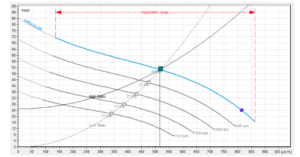
Every pump has a performance curve that shows how much flow it can produce at different heads. Your goal is to match your system curve (flow vs. head requirements) with the pump’s curve so that the pump operates in the Best Efficiency Point (BEP).
- Running too far left of the curve (oversized pump) = wasted energy, cavitation, and short cycling.
- Running too far right of the curve (undersized pump) = insufficient flow and risk of clogging.
Proper sizing ensures the pump runs in its most efficient range—saving energy and extending equipment life.
4. Consider the Solids Handling Requirement
Sewage pumps aren’t just about flow and head—they also need to handle solids. The minimum solids size (often 2″ for municipal systems) will affect pump selection.
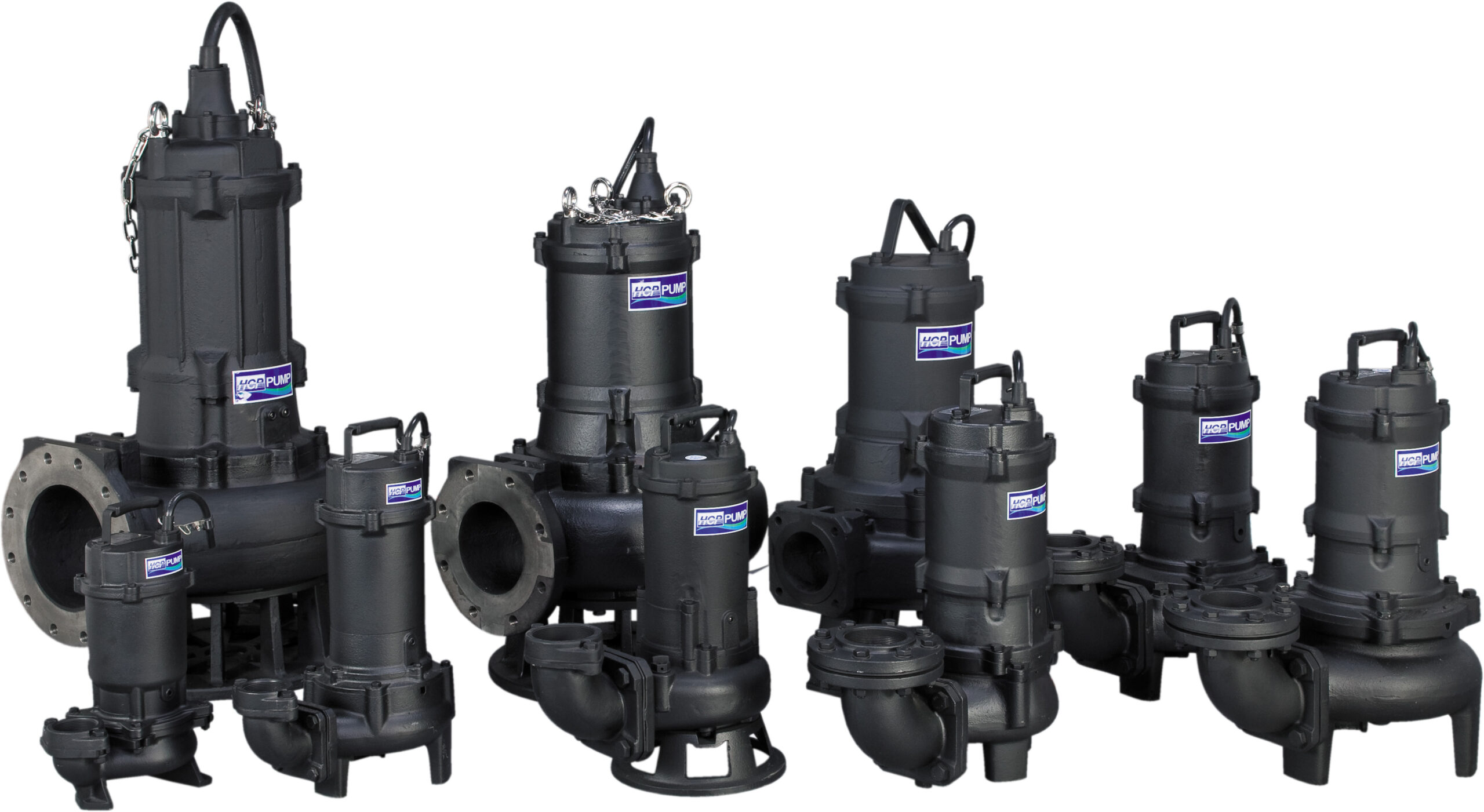
- Grinder Pumps: For smaller solids, residential systems, or long force mains.
- Non-Clog Pumps: For municipal or commercial use with larger solids.
- Cutter Pumps: For applications prone to wipes, rags, and tough debris.
Choosing the right impeller type prevents clogs and ensures reliable performance.
5. Factor in Efficiency and Operating Costs
A properly sized pump doesn’t just move water—it does so at the lowest possible cost over time. Even a difference of a few horsepower can mean thousands in electricity savings over the life of the pump.
For example:
- A 10 HP efficient pump may do the same job as an older 15 HP pump, cutting energy costs significantly.
This is why selecting the right pump is an investment—not just an upfront purchase.
Triple D Pump: Sizing Done Right
At Triple D Pump, we’ve been helping customers size submersible sewage pumps for decades. We take the guesswork out by calculating flow, TDH, and solids handling needs to match your system with the most efficient pump available.
Give us a call today at 254-772-7623, and we will help you in selecting the right size submersible sewage pump for maximum efficiency.