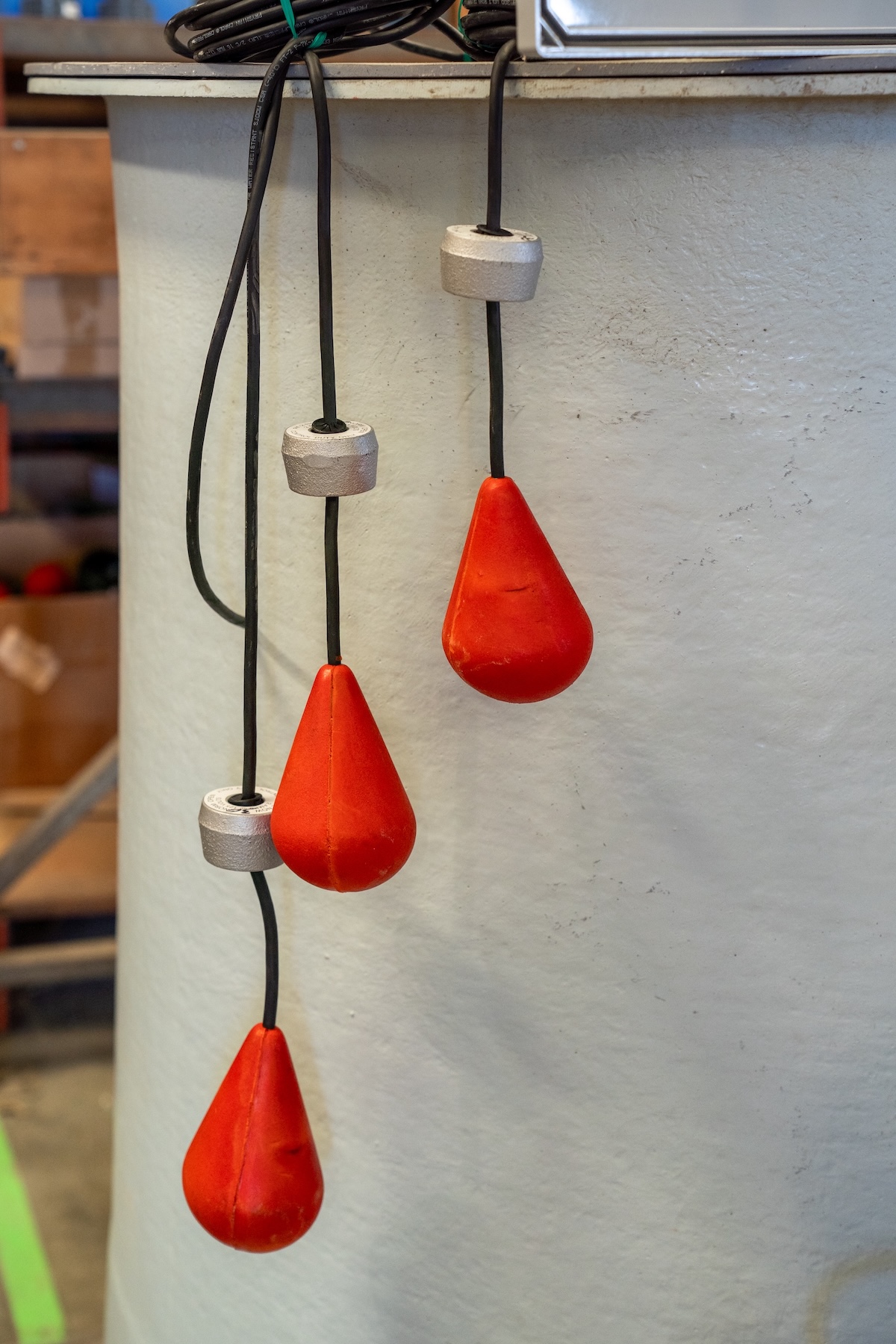
Float switches are essential components in pump and lift station systems, providing automatic level control for liquids. They help prevent pumps from running dry, overflowing tanks, or cycling unnecessarily. When selecting a float switch, one of the most common questions is: what’s the difference between a “normally open” (NO) and a “normally closed” (NC) float switch?
Understanding this difference is crucial for ensuring your system runs efficiently and reliably.
What Does “Normally” Mean?
In electrical terms, “normally” refers to the default state of the circuit when the float is at rest (not activated by liquid level).
- Normally Open (NO): The circuit is open (off) when the float is at rest.
- Normally Closed (NC): The circuit is closed (on) when the float is at rest.
Normally Open Float Switches
- How They Work: In the default state, the electrical circuit is open, meaning no current flows. When the liquid level rises, the float closes the circuit, allowing power to flow.
- Common Use: Typically used for pump start operations. For example, when water rises in a sump pit, the float activates the pump to remove the water.
- Best For: Applications where you want the pump or alarm to turn on when the liquid level gets high.
Normally Closed Float Switches
- How They Work: In the default state, the electrical circuit is closed, meaning current is flowing. As the liquid level rises, the float opens the circuit, stopping the current.
- Common Use: Typically used for pump stop operations or for high-level alarms. For instance, when a tank is full, the float switch breaks the circuit to stop filling.
- Best For: Applications where you want the pump or alarm to turn off when the liquid reaches a certain level.
Choosing the Right Float Switch
The right choice depends on whether you want your pump or alarm to activate on rising liquid or on falling liquid:
- Use a Normally Open float switch if you want equipment to turn on when the liquid rises.
- Use a Normally Closed float switch if you want equipment to turn off when the liquid rises.
In many systems, both types are used together to create reliable pump controls with proper on/off cycling.
Triple D Pump Can Help
Selecting the right float switch can make the difference between a reliable pump system and one prone to failures. At Triple D Pump, our team can help you choose the right control setup for your lift station, wastewater, or submersible pump application.
Contact us today to discuss your system’s needs and let our experts guide you to the right solution!