Lift stations play a critical role in wastewater management, quietly pumping sewage and stormwater to treatment plants where it can be processed safely. But when a lift station fails, the consequences extend far beyond clogged pipes or equipment downtime—it can create serious environmental hazards that affect water, soil, air, and even community health.
How a Lift Station Failure Affects the Environment
1. Sewage Overflows into the Environment
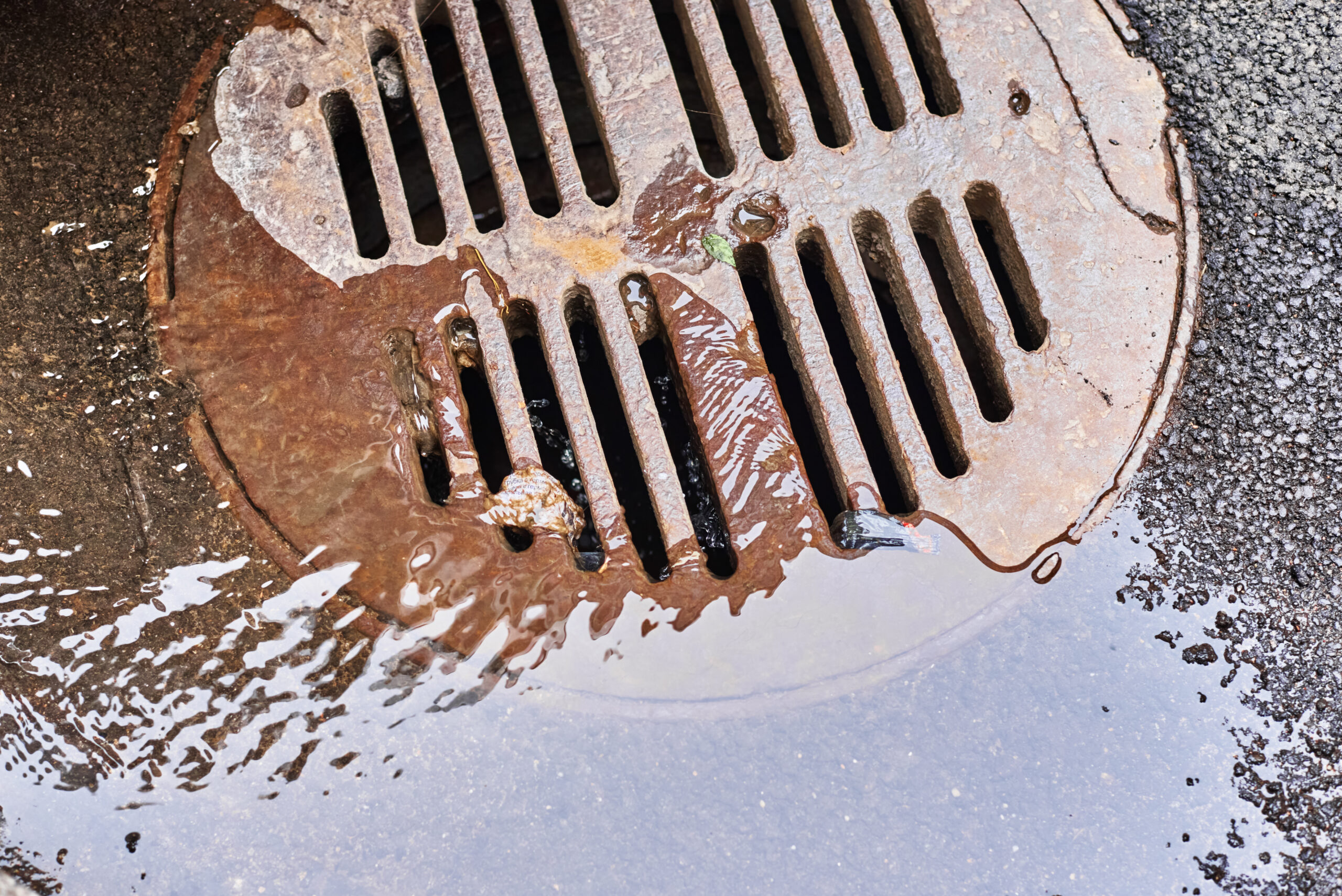
When pumps stop working, wastewater has nowhere to go but back up and overflow. This can result in raw sewage spilling into streets, yards, or waterways. Untreated sewage introduces harmful bacteria, viruses, and parasites into the environment, creating major public health concerns.
2. Contamination of Local Waterways
One of the most serious outcomes of a lift station failure is sewage entering streams, rivers, or lakes. Contaminants such as nitrogen, phosphorus, and pathogens can pollute drinking water sources, disrupt aquatic ecosystems, and harm fish and wildlife populations.
3. Soil Pollution
If wastewater seeps into the ground, it can contaminate the soil with chemicals, pharmaceuticals, or heavy metals. This contamination can persist for years and affect nearby vegetation and agricultural areas.
4. Air Quality Issues
A failing lift station can also lead to foul odors from hydrogen sulfide and other gases released from stagnant sewage. Prolonged exposure to these gases can be harmful to both people and animals living nearby.
5. Increased Risk of Disease
Untreated wastewater contains dangerous microorganisms. Contact with contaminated water or soil can lead to illnesses such as gastrointestinal infections, skin rashes, or more serious diseases, impacting both human and animal populations.
Long-Term Environmental Consequences
- Ecosystem Disruption: Fish kills, algae blooms, and habitat destruction can result from sewage-contaminated waterways.
- Groundwater Contamination: Once sewage infiltrates groundwater, cleanup is expensive and often nearly impossible.
- Cumulative Damage: Frequent lift station failures can have compounding effects, reducing the long-term health of natural resources in the area.
Preventing Environmental Damage
The good news is that most environmental risks can be avoided through proactive maintenance and planning:
- Regular Inspections & Maintenance: Preventative maintenance ensures pumps, floats, and electrical systems are functioning properly.
- Backup Systems: Installing backup generators and redundant pumps helps ensure operations continue during power outages or equipment failure.
- Monitoring Systems: Alarm panels and remote monitoring can alert operators before a small issue becomes an environmental disaster.
- Upgrades & Replacements: Outdated equipment should be replaced before it fails and causes costly damage.
Final Thoughts
A failing lift station isn’t just a mechanical issue—it’s an environmental risk with far-reaching consequences for water, air, soil, and community health. By investing in preventative maintenance and reliable equipment, municipalities, businesses, and homeowners can protect both their property and the environment. At Triple D Pump, we specialize in designing, maintaining, and servicing lift stations to keep them running smoothly—and to protect the world we all share.
Give us a call today 254-772-7623.